Table of Contents
This article explains why you may want to remove background check information from search results and online sources to protect your digital reputation.
Long gone are the days when background checks were limited to employers screening job candidates for past criminal records. Today, background check companies are part of everyday life. People use them on dating apps, landlords, college admissions departments, and more. According to a market research report on U.S. background check services, the industry now brings in over $5 billion in annual revenue.
As background check technology has advanced, the amount of personal data available online has, too. In the past, getting a person’s information required an in-person search or a formal request. Now, you can find that same information online in seconds with a simple Google search.

Data brokers, public records websites, and people-search sites have made it easier than ever to find all sorts of information about a person. These platforms publish basic details like a person’s full name, phone number, and home address. They also include in-depth information like employment history, family member names, criminal history, and court records. The worst part is that you don’t have to consent to having this data available to the public.
Having criminal records and other information online may serve a purpose.
In some cases, it’s considered a public service to make criminal history records and other public records easily accessible. For example, background check companies allow employers to learn more about potential candidates. They also let people verify someone’s identity before hiring them as a babysitter or agreeing to go on a date.
Unfortunately, having your public records online can also risk your privacy and reputation. Plus, when you consider that some of that information may be incomplete, misleading, or flat-out wrong, there’s an even bigger threat to your digital presence. When negative information shows up in Google search results for your name, it can affect your personal and professional opportunities.
Understanding how background checks work is essential to managing the information people can easily access. While these services technically run private databases, access to full information is often behind a paywall, but they’re still easy for almost everyone to use.
In this article, we’ll look at both sides of background check services to explore when they can be useful and when the information can be harmful.
You can take back control of your online reputation. Call us today at 866-601-6803 to speak with an expert about criminal history record removal.
Background Check Companies: The Positive Side

In many cases, background check companies promote accountability, safety and trust in personal and professional ways. When these private databases are searched ethically and while complying with privacy laws, individuals and employers can make informed decisions.
Protection for Consumers and Employers
Employers often use background check private databases to confirm that job candidates are who they say they are. Benefits include:
- Fraud Prevention: By verifying credentials and background information, employers can avoid embezzlement and scams.
- Reputation Management: Companies can maintain credibility and customer trust by hiring trustworthy employees.
- Workplace Safety: Screening job applicants prevents harm by making sure that employees in childcare, education and healthcare have no criminal history.
Often, running a background check is the most reliable way to confirm the potential employee has the qualifications needed for the job.
Safer Communities

Aside from the workplace, criminal background checks can protect the community:
- Community and Volunteer Work: Non-profit organizations and schools often run background checks to make sure members are safe to work with children and the elderly.
- Gig Work: Background checks and criminal history checks are important for the gig-work economy. This is the only way to verify that people renting their homes out or becoming rideshare drivers are trustworthy and safe.
- Tenant Screening: Landlords commonly use background checks and criminal records searches to confirm that the candidate has a history free of evictions, property damage, and financial risks.
When used appropriately, private databases provide the information needed to keep the public safe.
Responsible Gun Ownership
One of the most recognized uses of running a background check is when purchasing firearms. Here’s how the process goes:
- An individual wants to buy a firearm.
- The buyer fills out an ATF form.
- The seller (a Federal Firearms Licensee, or FFL) contacts the National Instant Criminal Background Check System (NICS) either by phone or electronically.
- The seller relays the buyer’s information to the NICS.
- The NICS runs a background check on the buyer. This verifies whether they have criminal records or anything that prevents them from buying a firearm.
According to the FBI’s official website, over 500 million checks have been run since the process launched in 1998, and over 2 million people have been denied the purchase of a firearm.
In this case, being able to check criminal history records and other information about the buyer stops sales to people with a criminal history, restraining order, or mental health issues that could be a risk.
Drawbacks of Background Check Companies
Regardless of their many benefits, there are definite downsides to having your personal information and criminal history available to anyone interested enough to find it. The information in private databases is especially harmful when it’s inaccurate or taken out of context.
In this section, we’ll cover the real-world consequences individuals face when their data is accessible to the public.
Our mugshot removal services will remove your criminal history records fast. Contact us today at 866-601-6803 to learn more.
Inaccurate or Out-of-Date Information
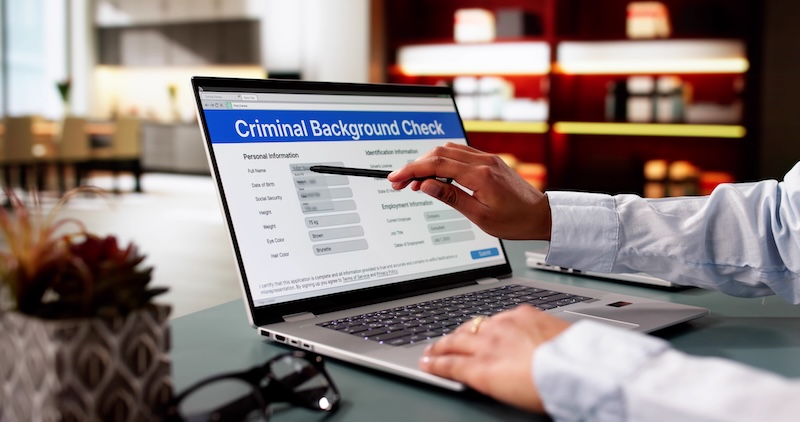
Background reports are usually pulled from any public records found online. This means plenty of information is gathered without ever being verified for accuracy. As a result, old records or error-filled information can easily exist in a background report.
For example, let’s say the court drops a charge or approves you for record sealing. Remnants of that criminal history can show up online and in a background report. The same goes for expunged records following a court order.
Duplicate or mismatched data may also be harming your online reputation. People with common names often find themselves attached to criminal records that actually belong to someone else.
What seems like a minor error can quickly snowball out of control. When background data is scraped from the internet and republished online over and over, that’s what shows up when someone looks up information about you. Eventually, it won’t matter that the data is incorrect or out of context. What will persist is the negative information surrounding your name.
Impact on Your Lifestyle

Background checks help employers, landlords, and others make fair, informed choices. However, out-of-date or misleading data that circulates online can have the opposite effect. In some cases, using private databases to gather personal data can create bias and cause individuals to miss out on opportunities.
- Housing Discrimination: Renters or mortgage applicants may find themselves rejected based on inaccurate background report information.
- Lost Job Opportunities: A job applicant may be denied a position because of a minor offense, even if it’s unrelated to the job. Current employees may also be fired if unflattering information arises online, regardless of how old it is.
- Ongoing Reputation Damage: Even if data errors are corrected, or past mistakes are explained, first impressions can last a lifetime.
These outcomes are damaging in a couple of different ways. First, some people are simply victims of inaccurate information. They should never suffer for something that they weren’t involved in. Second, even a person with a criminal history can spend years rebuilding their life and changing themselves.
In either case, the individual and their opportunities will depend on what someone can dig up online.
Our mugshot removal experts will analyze search engine results to find and remove your criminal history records online. Call us at 866-601-6803 for more information.
Risks to Privacy and Security

Background check databases can include more than criminal records. Even if you don’t have any past involvement with criminal justice agencies, information found online may still put you in harm’s way. Personal information that exists online includes:
- Your home and work addresses
- Family members’ names and contact information
- Social media account links
This opens the door to a number of cybercrimes and in-person risks, such as harassment, identity theft, and stalking. Phishing, personal data breaches, extortion, and identity theft fall within the top 8 types of internet crimes reported to the FBI. Impersonation scams are trending upward, too. Both government impersonations and customer support impersonations are on the rise.
Why You Need To Prioritize Online Reputation Management

Criminals can easily replicate criminal records and other information in private databases. That’s why content removal or suppression takes expertise and patience. Professional online reputation management services can do the following:
- Find where your criminal records and other information appear online.
- Request the removal of your criminal records from public and private databases.
- Suppress criminal records and harmful information that can’t be removed.
- Monitor the internet for new mentions of your name and listings of your data.
- Build a new, fresh online presence that will outrank negative results for your name.
It’s a good idea to hire legal representation to pursue record sealing or expungement. However, that process can take a long time, and there’s no guarantee you’ll get the outcome you’re after.
Plus, even if your criminal history records are no longer publicly accessible, that information could still appear in search results.
Having criminal records expunged or sealed doesn’t automatically remove information already gathered from private databases. Background check companies may still show your criminal records to anyone who searches for them.
We work on behalf of our clients to erase mugshots, arrest records, police reports, criminal records, and more from public and private databases. Give us a call at 866-601-6803 to speak to an expert today.
See What Shows Up When Someone Searches Your Name
Get a free, no-obligation analysis of your exposure — mugshots, arrest records, and everything else a background check might turn up.